As White Ribbon Month gets under way, the organisation is working harder than ever to prevent violence against women by engaging men and boys in the solution.
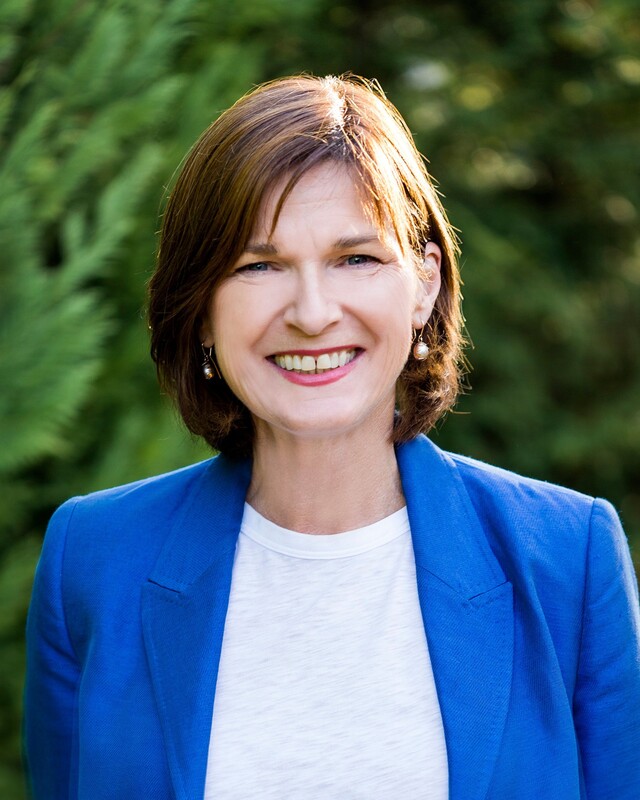
White Ribbon Australia social policy and advocacy partner Ilana Rohwedder explained that the month is about creating real change through meaningful dialogue and education.
“This year, we are really stressing the need to get men and boys talking about violence against women,” she said.
“Despite all the work undertaken by governments, advocacy organisations, and national campaigns, the message just isn’t landing with many men and boys. They don’t see what it has to do with them or what they can realistically do about it.”
She said one of the key challenges is bridging the gap between awareness campaigns and personal connection.
“This doesn’t mean they don’t care about the women in their lives,” she said.
“But the broader movement to end violence against women isn’t connecting with many men and boys in a way that reflects their personal experiences.
“We need to be able to respond to where they are and not just tell them where we think they should be. People won’t change their beliefs or attitudes by someone telling them what they should think—we have to be able to have a dialogue.”
This year, White Ribbon is focusing on starting that dialogue.
“We are asking men and boys to tell us where they are in this movement. How do they understand the issue? What do they need to see to understand the vital role they play in preventing violence against women?”
Ms Rohwedder highlighted the importance of engaging young people early, describing White Ribbon’s You Can Ask That workshops as a key example. The sessions give students the opportunity to ask anonymous questions and engage in open dialogue about sensitive topics like family violence and respectful relationships.
“Listening to young people in this way enables us to facilitate meaningful discussions and explore their knowledge of gender, relationships, and the gaps in their understanding of how gender inequality relates to family and domestic violence,” she said.
“This approach really shifts the format from a lecture to a conversation, and we have found that to be an effective way of engaging with instead of talking at men and boys.”
The organisation has faced unique challenges in recent years. Feedback from their Youth Advisory Group revealed a widespread issue in schools, where lessons on gender equality and respectful relationships are often limited to a single lecture or delivered by teachers disconnected from the content.
Ms Rohwedder said this approach highlights misconceptions about how change occurs.
“Even when we say we want to get men and boys talking, we’ve had pushback that we shouldn’t be hearing from men and boys at all and instead we should just be telling them what to do,” she said.
“But that approach just doesn’t work. We can’t just talk at men and boys, we need to get them talking. The ongoing conversation is what provides an opportunity to generate a moment that shifts their understanding and creates moments for change.”
The most recent Australian Bureau of Statistics personal safety survey found that one in four women in Australia has experienced physical or sexual violence from an intimate partner in her lifetime.
“The importance of this figure is not just the staggering number—it’s also the differences in the reactions I get from men and women,” Ms Rohwedder said.
“When I have talked to men, some seem to really question this figure—they just can’t visualise that one in four women have experienced it.
“With women, I get a totally different reaction. There’s an immediate ‘that tracks’ because they have their own personal experiences or know other women who have gone through something. It’s not just the statistics that demonstrate that this work is crucial—it’s the disbelief and stark disparity of experiences between men and women that reinforces that there is still a lot of work to do.”
For those wanting to make a difference, White Ribbon offers a range of resources, from educational toolkits on recognising the signs of violence to training programmes in schools and workplaces.
These initiatives focus on addressing the root causes of violence, particularly gender inequality, to prevent it before it starts.
Ms Rohwedder also stated the importance of starting conversations at home.
“I’d really challenge anyone to go home and talk to the men and boys in their life to get a sense of how they understand violence against women,” she said.
“They may not have a perfect answer, but even that tells you something and gives you a starting point for an ongoing conversation.”
White Ribbon Month is ongoing until December 13.
Details: whiteribbon.org.au/white-ribbon-month/