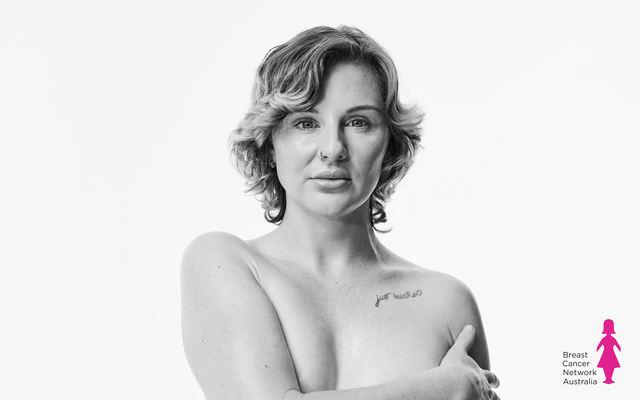
Breast Cancer Network Australia (BCNA) launched a new Breast Cancer Awareness campaign, Know Yourself. Feel Yourself, earlier this year, urging women to give their breasts the same attention they give their faces in the mirror.
BCNA wants all women, particularly young women, to be confident in establishing a conscious breast routine. An action that could save their life.
For the first time data captured by the Australian Institute of Health and Welfare (AIHW) shows that tumour size matters. It is one of the predictors of survival. Early detection is key, regular self-checks increase the likelihood of a woman noticing changes that don’t feel or look normal for them.
The Know Yourself. Feel Yourself campaign takes the familiar habit of focusing on our faces and reframes it as a reminder to check our breasts. BCNA has used the latest information to create a new step by step breast check education video to encourage women to be proactive in their breast health. Watch the video at https://www.bcna.org.au/know-yourself-feel-yourself/
Breast Cancer Network Australia CEO, Kirsten Pilatti said the organisation is broadening its scope of support to include behavioural changes and early detection.
“As a network of women with lived experience, we know the big difference early detection can make and the latest data released by the AIHW confirms this. Our campaign creates awareness, and the breast check video provides a practical tool that empowers women to take action,” she said earlier in 2025.
Breast cancer is now the most common cancer in women in Australia. On average more than 1,000 women under age 40 each year– around three every day. Younger women are more likely to be diagnosed at a later stage and with more aggressive disease, they face added challenges including being dismissed by the health care system. Impacts include financial burden, fertility loss, early menopause and career disruption.
Jess Pearce, a mum and nurse who featured in the campaign, knows this reality all too well. She was told she was “too young” when she first raised concerns about changes in her breast. A year later, aged just 33, she was diagnosed with invasive breast cancer and has since undergone a double mastectomy.
How to check your breasts
Source: https://www.bcna.org.au/resources/screening-and-diagnosis/how-to-check-your-breasts/
Finding breast cancer early gives you the best chance of effective treatment.
You should examine your breasts regularly to be aware of anything that looks or feels different.
If you notice any changes in your breast that are new or unusual for you, you should see your doctor as soon as possible. Not all breast changes are cancerous (they may be ‘benign’ changes).
Screening with regular mammograms is also important, even when you don’t have any symptoms.
Work out what’s normal for your breasts
Everyone’s breasts look and feel different. They may be lumpy, different sizes from each other, or different shapes. One or both nipples might be pulled in (‘inverted’), either since birth or when your breasts developed.
Try to get used to your ‘normal’ by doing self-examination regularly. There’s no right or wrong way to check. You can:
* Sit or stand in front of a mirror with your arms by your sides, then above your head or pulled back.
* Feel your breasts in the bath or shower, when you use body lotion or when you get dressed.
Just decide what you are comfortable with and what suits you best.
When you check your breasts, try to be aware of anything that’s different for you.
Symptoms of breast cancer to check for
It’s common to hear “I felt a lump” from people who have had a breast cancer diagnosis. A lump is one sign, but there are many other symptoms or warning signs to watch for.
Breast changes may include:
* A lump or swelling in your breast or underarm (armpit)
* Changes in the shape or size of the breast
* Irritation or dimpling of your breast skin
* Pain in any area of your breast that is unusual or ongoing
* An indent (puckering) in part of the breast when you lift your arms
*A rash or red, crusty or flaky skin in your nipple area or your breast
* A change in the shape of the nipple, such as it turning inwards (‘inverting’)
* Discharge from the nipple, other than breast milk.
Remember to check all parts of your breast, your armpits, and up to your collarbone.
Not everyone has symptoms. In some cases, a lump is too small to be felt or cause any changes to the breast. Routine screening is important to pick up changes and cancers.
Don’t delay, if you find a change in your breast that’s unusual for you, see your doctor as soon as possible.