Brimbank councillors have pushed back against a council recommendation to reduce the frequency of garbage collection services from weekly to fortnightly, as part of state government-mandated waste reforms.
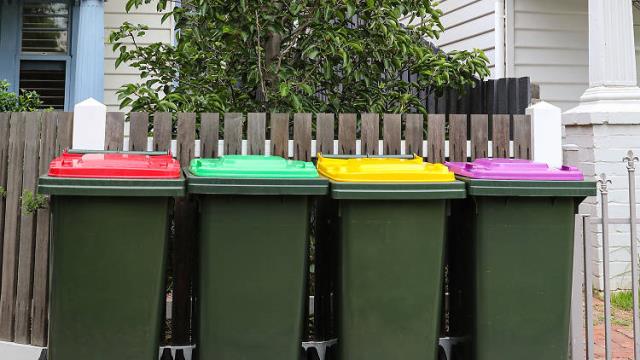
Under the reforms, from 1 July, 2027 all councils must introduce a standard four-bin system, consisting of garbage, recycling, food organics and garden organics (FOGO), and a new separate glass collection service.
Councils are also required to roll out FOGO to all households, expanding the current opt-in service to a universal model.
At the February Brimbank council meeting, officers recommended a system that would reduce general garbage collections from weekly to fortnightly.
However, councillor Lucy Nguyen and deputy mayor Maria Kerr proposed an amended motion to retain the weekly service.
Cr Nguyen said while modelling may show environmental benefits from moving to fortnightly general waste collection, council needed to consider the practical realities for residents.
“Many families, particularly larger households, young families managing nappies, households supporting people with disabilities and older residents, still generate general waste that cannot easily be stored for two weeks,” Cr Nguyen said.
“This raises real concerns around hygiene, odour, vermin, storage space and especially in higher density housing or smaller homes.
“By retaining weekly garbage collection while we roll out universal weekly FOGO we can still achieve strong environmental gains through increased organic waste diversion.”
As a result of the amended motion, the four-bin waste model, commencing 1 July, 2027, will not change existing weekly red general waste collections or fortnightly yellow recycling collections.
The FOGO bins will change from the current fortnightly collection to weekly collection, and a monthly collection of purple-lidded glass bins will be added as part of the new model.
Council officers will monitor the performance of the four-bin service annually for three years.
Resident Jenny Isa welcomed the decision to retain weekly garbage services.
“It was a good amendment. I think that speaks volumes because most of the councillors said they have spoken to the community, which is what a council should be doing,” she said.
While Ms Isa supports the garbage collection outcome, she questioned the need for a separate glass bin.
She said she’s worried about increased costs for the service, as well as the additional bin taking up limited space at the multi-unit development where she lives.
Council said residents will receive detailed information before the rollout, outlining the changes and their impacts, alongside a campaign to help households transition.