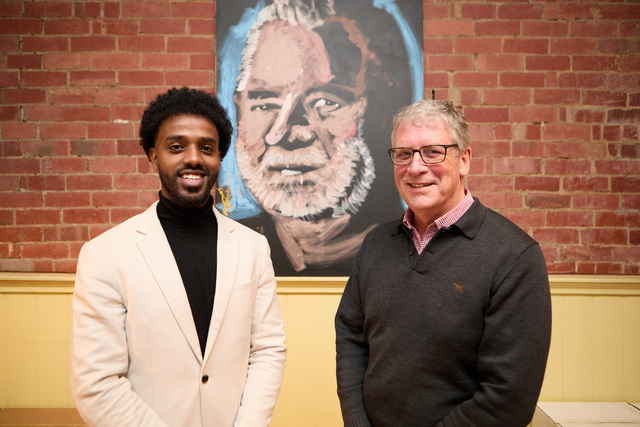
The Les Twentyman Foundation has welcomed the state government’s decision to fast-track a ban on the sale of machetes, arguing it’s something the late youth worker would’ve wanted.
The state government brought forward the ban after a brawl between machete-wielding teens forced the evacuation of Northland shopping centre in Preston on Sunday, May 25.
The interim ban on the sale of machetes and dangerous knives came into effect at midnight on May 28 in an effort to dry up the market ahead of a legislated ban on machete possession coming into effect on September 1.
“The incident at Northland is terrifying, families should be able to go about their Sunday shopping without fear that they may find themselves in the middle of youth violence,” said Les Twentyman Foundation chief executive Paul Burke.
“The late great Les Twentyman campaigned for over 30 years for the sale of dangerous edged weapons to be banned and whilst we are pleased that such a ban is now finally being enacted, it is only a small step in the right direction.”
Mr Burke said preventing young people from arming themselves with machetes and other weapons required more than simply banning them.
“Most of the kids carrying weapons see them as a shield not a sword, and they are arming themselves as they think everybody else is carrying. Incidents such as Northland only further entrenches that belief – that is the mindset we need to tackle,” he said.
“We need to approach this problem from two-sides – one being preventative, through reaching kids ‘at risk’ of sliding into a negative pathway as early as possible – which will help ensure that they do not pick a weapon up in the first place – this is best done through placing an outreach youth worker in schools.
“The other is through intensive and direct intervention by a youth worker when kids are engaged with police or the courts – 80 per cent of young people we work with in that setting do not engage further with the judicial system.”
Mr Twentyman, who died in March last year aged 76, spent decades working with troubled youth in the western suburbs using this same approach.