Being a woman often feels really tough.
It can be hard on your body: periods, pregnancy, breastfeeding, menopause. It can be hard on your mental health: the load of caring for children, ageing parents, finances, making a happy home and lives for others. And the juggle of it all.
This is all made harder by less pay for the same work, less superannuation, and more unpaid work compared with men. It is expected that we bear the burden of what is needed in a family and shoulder the lion’s share of effort when things go awry.
We have less power, less of a voice. We are less heard. And all of this is exacerbated if you have a disability, don’t speak English, are parenting alone, experience trauma or violence or have a partner who doesn’t respect you as an equal.
We so often eat the burnt toast, take the smaller portion of food, spend money on our kids and forsake our own desires. We pay too little attention to our health needs, leave our cancer screening too late and put up with what we wouldn’t want our daughters to endure.
There is an overdue conversation about women’s health and wellbeing happening now. It highlights the high prevalence and wide-ranging harm of family violence, and that our health and social system is gendered against women.
It is a system that pays doctors better to have lots of short consultations rather than fewer longer ones, where they can deeply listen to women’s complex and often multiple health concerns.
Women tell us they often don’t feel listened to, and their health issues are diagnosed late. Research is mainly done on men and only then applied to women.
Women too frequently don’t have financial and housing stability, without which it’s almost impossible to be healthy and properly address illness. And without good, affordable childcare, work is hard, and finances and independence get even harder.
It’s not all doom and gloom. There are often joys to our gender. Think of more and deeper family and social relationships, the joy of being a mother or daughter, being the lynchpin of a family, and often of a community, and viewing success as much broader than money and career.
And there are some welcome changes happening. There is longer maternity leave, companies are required to report on gender pay gap, and provide greater support for women experiencing violence.
And at last, minimum wages are increasing in some our most feminised workforce, such as aged care.
But to achieve equity for women and improve women’s lot, we need more changes across society, including our health, social, housing, education and work systems. As a doctor, I have loads of ideas about what we need. But the solutions shouldn’t be led by doctors. They need to be driven by all women.
Star Weekly is running a series on women’s health – what keeps women well, what makes them unwell, what help they need, what stops them getting this help, and what would work to break down those barriers. When has the right help changed their world?
I applaud the newspaper group for this initiative. For if we get it right for women, we get it right for everyone.
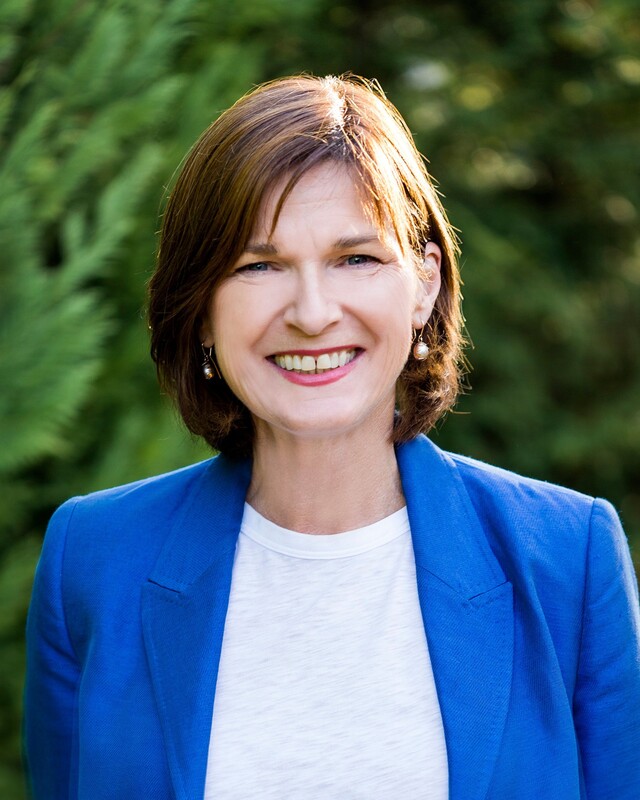
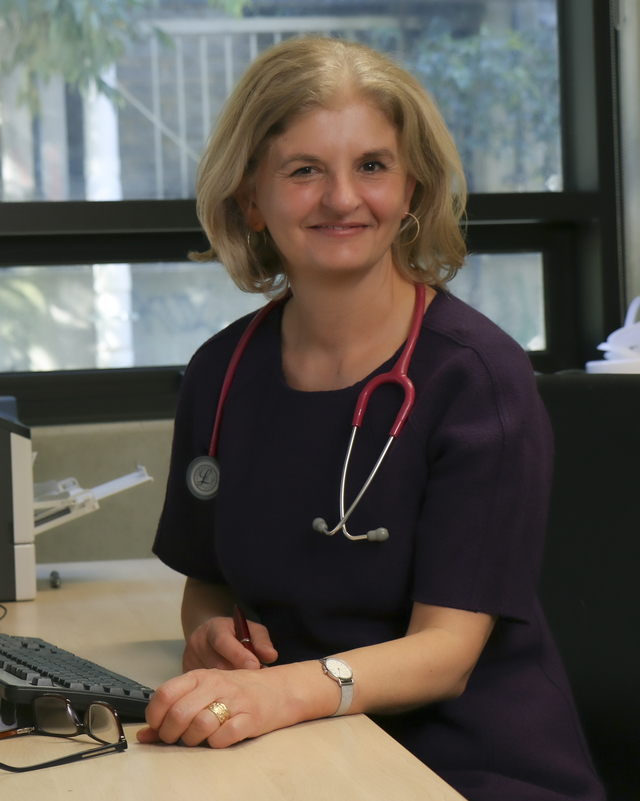
* Associate Professor Ines Rio is a working GP. She is also a member of the National Women’s Health Advisory Council, Chief Medical Officer at Monash University, the Chair of North Western Melbourne Primary Health Network’s Board, the Deputy Chair of Sexual Health Victoria and an advisor to the Therapeutic Goods Administration.